
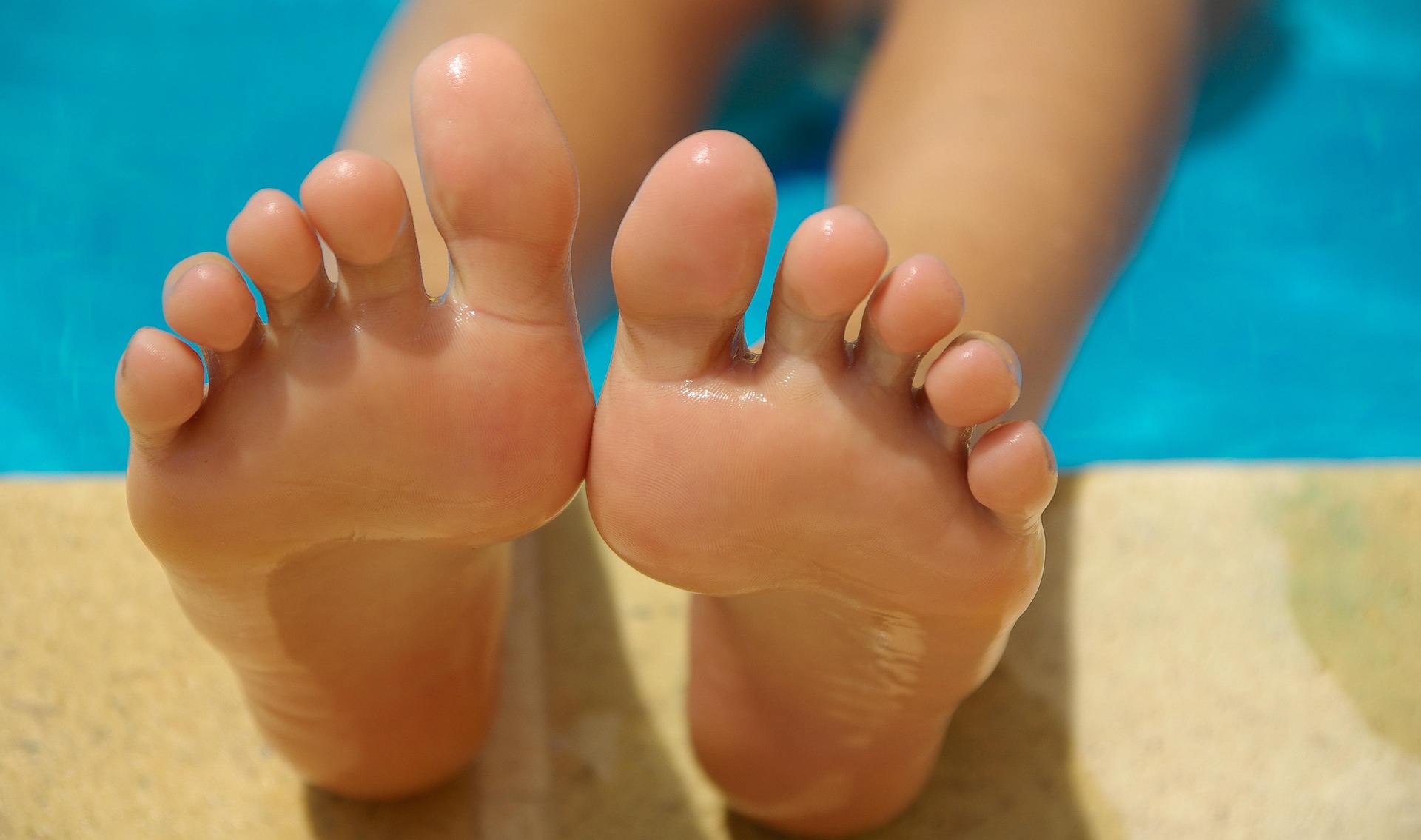
Our “Believe in Your Toes” Philosophy
When we think about movement, pain, and performance, most people focus on the obvious areas—low back, knees, hips. But one of the most overlooked (and underrated) parts of the body? Your feet—specifically, your toes.
Your Foundation Matters More Than You Think
Your feet are the foundation for nearly every movement you perform. Walking, running, lifting, exercising, even standing— it all starts from the ground up. And your toes play a much bigger role than most people realize. They are your primary point of contact with the ground, helping you create stability, balance, and control with every step.
What Does “Believe in Your Toes” Mean?
At our office, we often use the phrase:
“Believe in your toes.”
It might sound silly and simple, but it highlights a common issue— many people don’t use their toes the way they’re designed to. Your toes are meant to actively engage with the ground—providing grip, stability, and support as you move. But for many people, that function is lost.
What Happens When Toes Aren’t Doing Their Job
When your toes aren’t properly engaging, your body has to compensate. Instead of creating stability from the ground up, the system becomes less efficient—and more stressed.
This can lead to:
- Knees locking out instead of absorbing force
- Reduced core engagement
- Increased stress on the low back
- Altered movement patterns throughout the body
Over time, these small compensations can contribute to larger issues like knee pain, hip discomfort, and chronic low back tension.
Common Signs of Poor Toe Function
Your body often gives clues when something isn’t working properly.
Here are a few signs we commonly see:
- Wear Patterns on Your Shoes. If you notice a hole forming on the top of your shoe above your big toe, it’s a red flag. Your big toe should be pressing *down into the ground*—not lifting up into your shoe.
- Bunions. Bunions occur when the big toe begins to drift inward toward the other toes, often leading to structural changes and discomfort. While footwear plays a role, poor toe function and lack of engagement can also contribute over time.
- Hammer Toes. When we talk about engaging the toes, we don’t mean gripping aggressively or “clawing” the ground. This overcompensation can lead to hammer toes—a condition where the toes become stiff and bent in a fixed position. Instead, we’re looking for controlled, functional engagement.
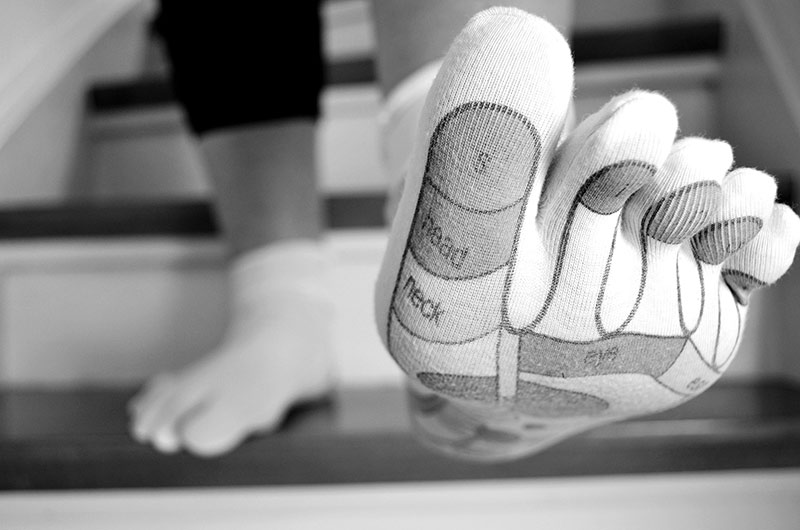
How Toe Function Impacts the Entire Body
Your toes don’t work in isolation—they’re part of a larger system.
When your toes engage properly:
- The muscles under your foot activate
- Your arch is better supported
- Your foot becomes more stable
When this system isn’t functioning well:
- The arch can collapse
- The knee may track improperly
- The hip has to compensate
- The low back takes on additional stress
This is what we call the **kinetic chain**—and it all starts at the ground.
Building Better Foot Function
Improving foot and toe function doesn’t require anything extreme—but it does require awareness, consistency, and a strong unwavering belief in your toes.
Start with:
- Paying attention to how your feet interact with the ground
- Avoiding overly restrictive and narrow footwear
- Incorporating simple foot and toe strengthening exercises
- Focusing on gentle, controlled toe engagement (not gripping aggressively)
The Bottom Line
Your toes may be small, but their impact is not. They play a critical role in how your body moves, stabilizes, and absorbs force.
When you start to “believe in your toes” and use them the way they were designed, you create a stronger, more stable foundation for your entire body. And when your foundation improves—everything above it has the opportunity to function better too.